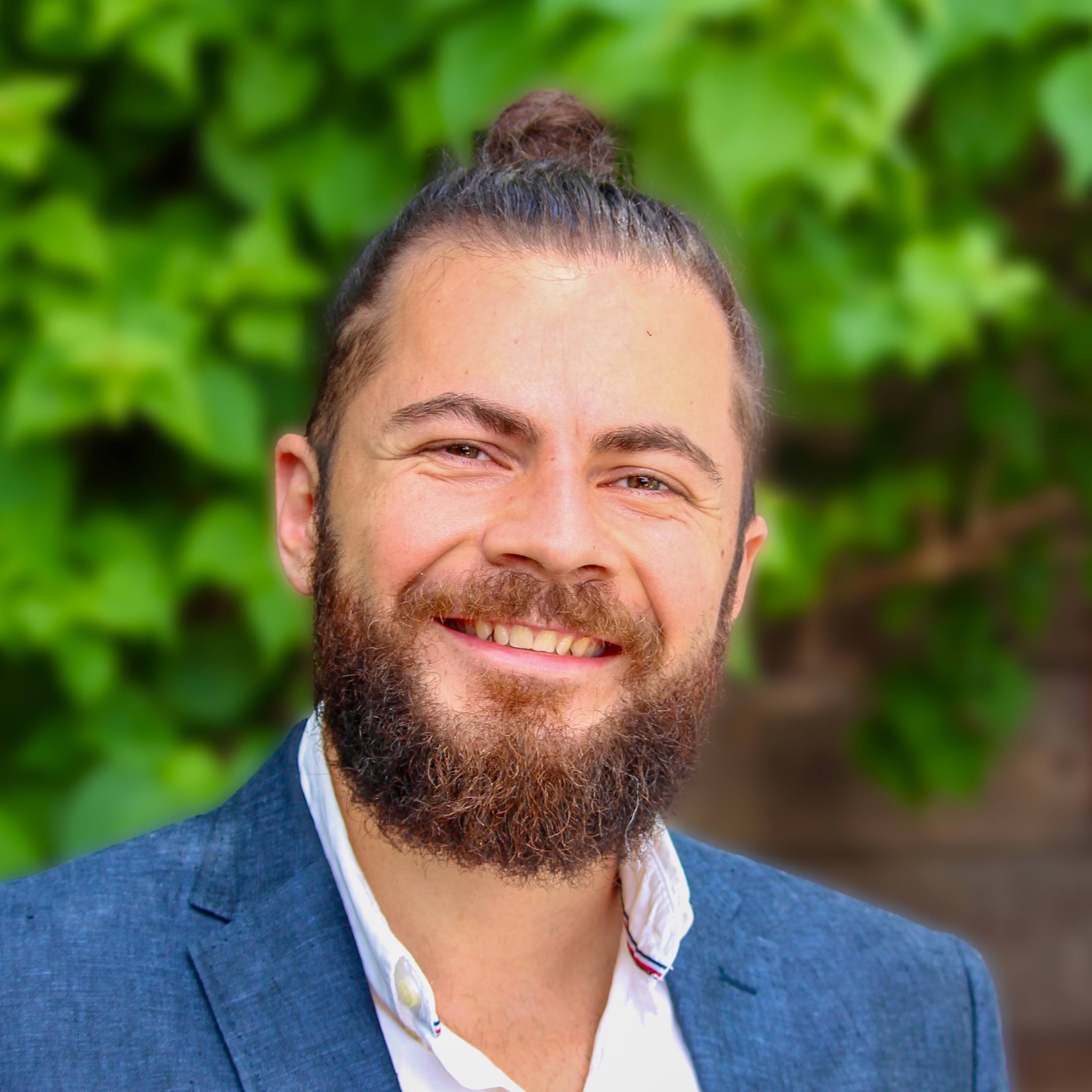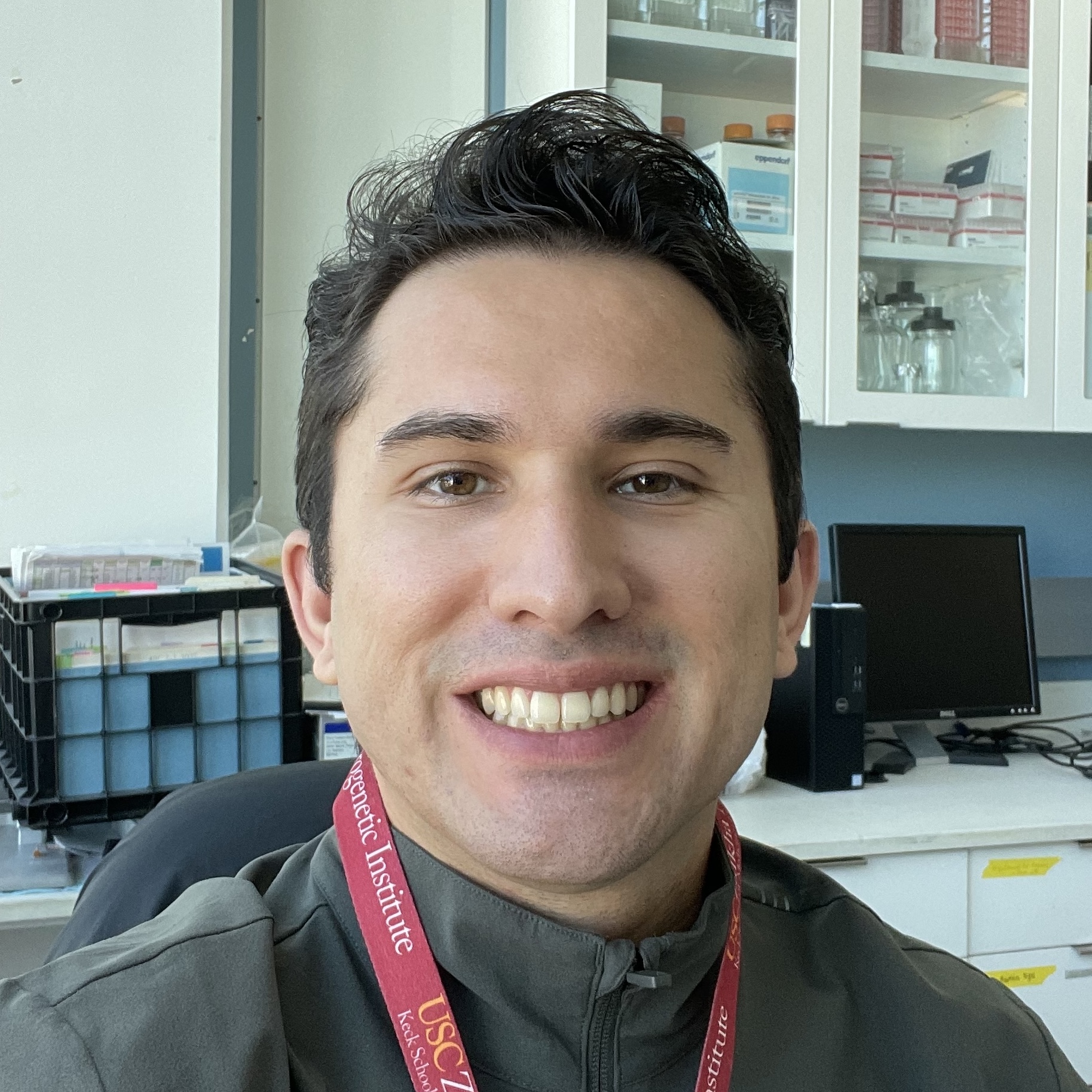
Rust Lab microscopy images

Cell Therapy for Brain Regeneration

Our lab develops next generation cell therapies to restore brain function. A central focus of our research is to use modern genetic, molecular and computational tools to overcome existing limitations in cell therapies for stroke and neurodegeneration.

65+
Publications
10+
Years of Research
25
h-index
40
i10-index
15+
Lab Members
(current & previous)
Stem cell therapy Stroke biology Single-cell RNA-seq Neurovascular interactions Translational neuroscience CRISPR & gene editing iPSC-derived neural stem cells Blood–brain barrier Spatial transcriptomics Neural regeneration Immune evasion Neuroinflammation Graft–host crosstalk iPSC-derived pericytes Bioluminescent imaging Laser Doppler flowmetry Bulk RNA-seq CRISPRa screening Deep learning gait analysis Multi-omics profiling CADASIL Rodent stroke models Confocal microscopy Cell transplantation Bioinformatics Hydrogel delivery HLA system editing
Research

Background

Every year 5 million people remain permanently disabled after a stroke due to the brain's limited ability to regenerate damaged tissue. The lack of an effective therapy that promotes long-term recovery after stroke represents a substantial clinical burden and unmet need for medical treatment outside the confines of conventional therapies. Recent advances in cell therapies have shown promising preclinical results in animal stroke models but have not been confirmed beyond doubt in a clinical setting. Major uncertainties remain — e.g., regarding the source of the transplanted cells, immune compatibility to the recipient, and cell survival and functional integration into the damaged neural circuitry.

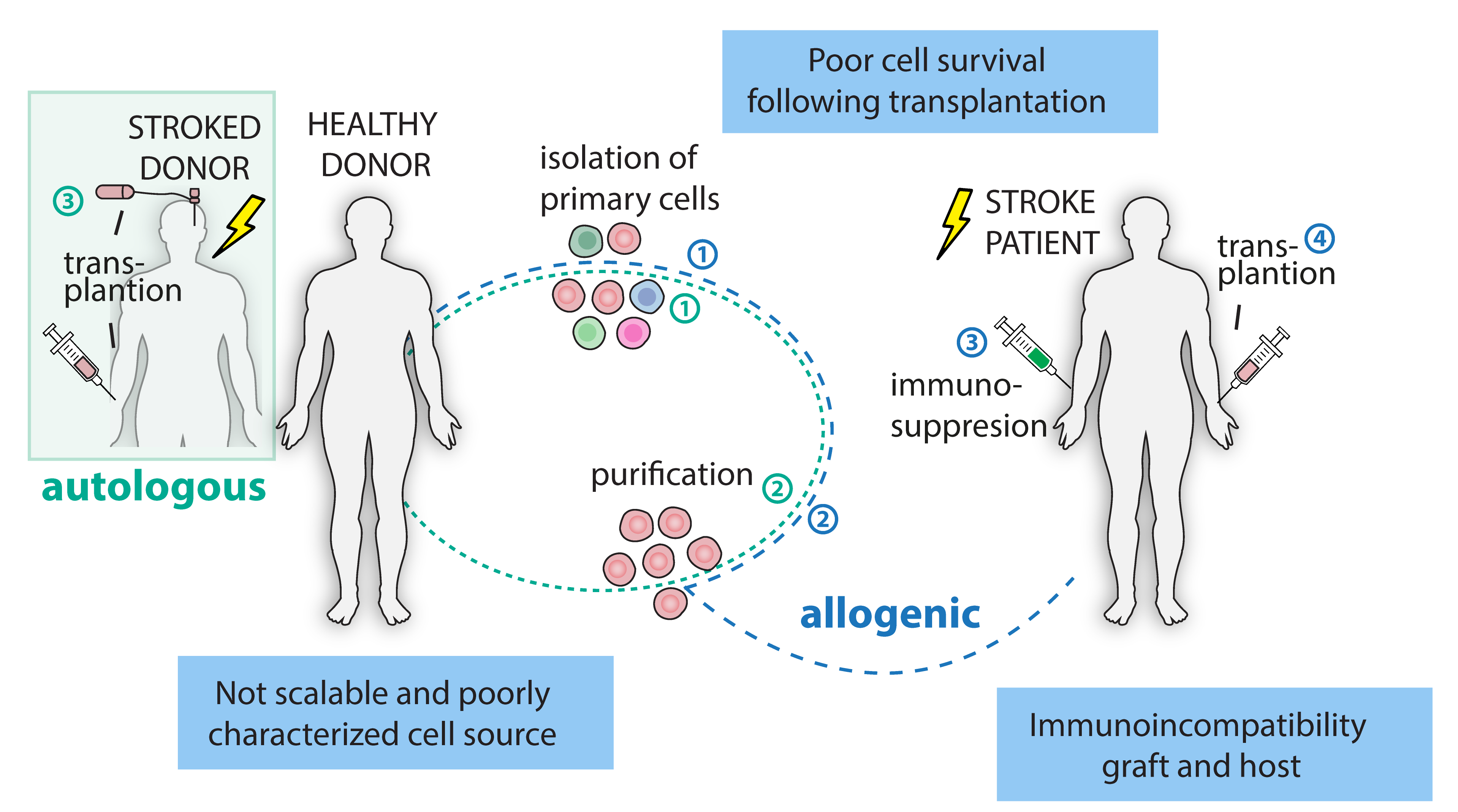
Current challenges in cell therapy following a stroke
Figure 1: Current challenges in cell therapy following a stroke. Primary cells are isolated from a donor or stroked patient and purified. Major limitations include scalability, in-depth characterization, and the very low initial survival rate of transplanted cells. Allogenic therapies are further limited by immunoincompatibility of graft and recipient.

Research Goals

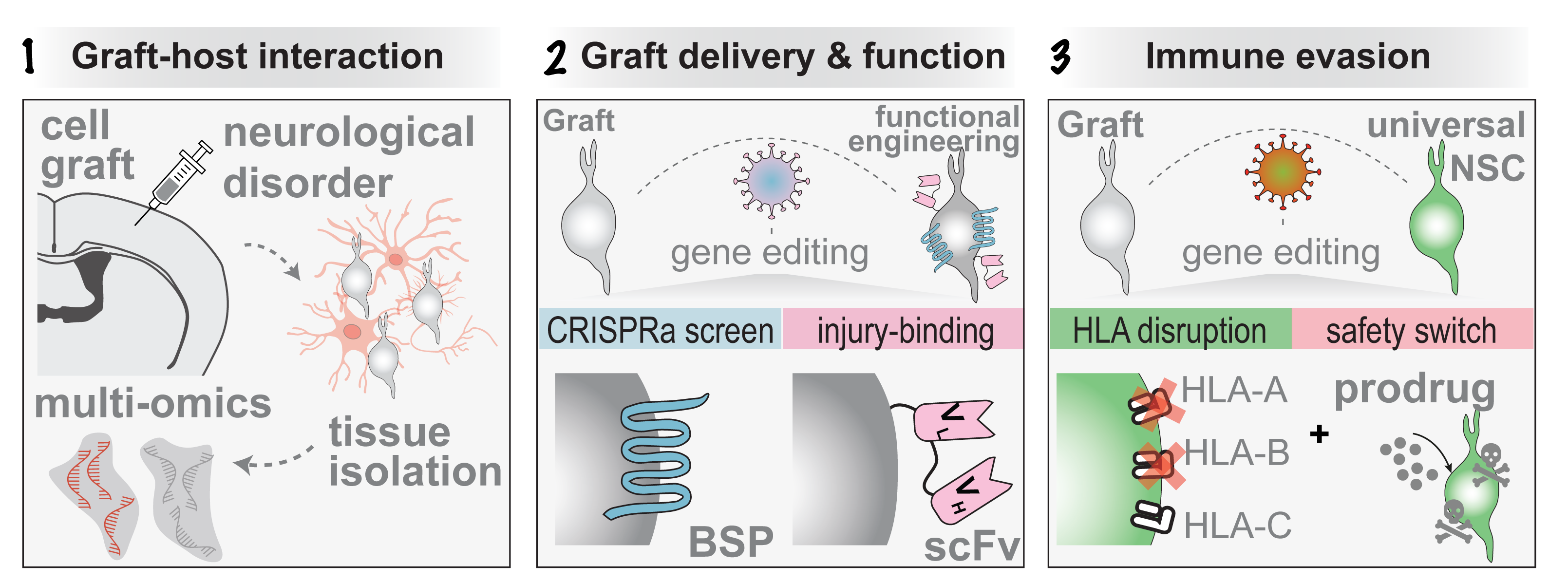
Our primary goal is to overcome major limitations recognized by scientists in the field of cell therapies following stroke. We work with our excellent collaborators to push the boundaries of what is possible:

  • Decoding the molecular crosstalk between cell grafts and the stroke-injured tissue at single cell and spatial resolution
  • CRISPR screen for systemic delivery of gene-edited cell grafts to the stroke brain
  • Safe and immune evasive cell grafts for neurological disorders
Research overview: Graft-host interaction, Graft delivery and function, Immune evasion

Main Techniques

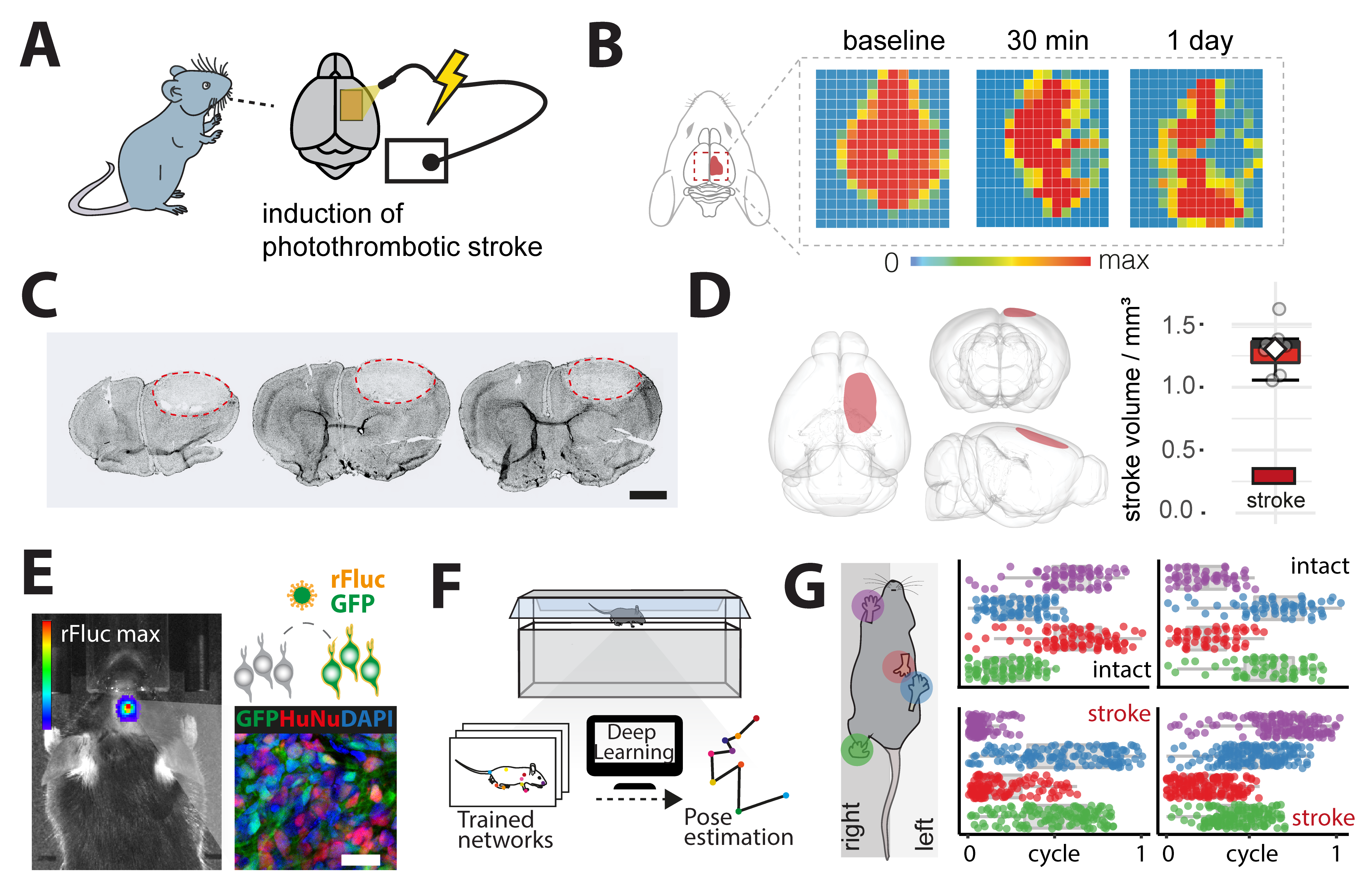
We exploit our expertise in experimental stroke research combined with molecular and genetic tools to optimize the cell source. We validate stroke procedures using laser Doppler flowmetry, utilize bioluminescence imaging for longitudinal cell tracking in vivo, and perform deep learning-based gait analysis. We further characterize cellular fate of transplants using single-cell and spatially resolved transcriptomics.

Experimental overview of cell therapies after brain injury
Figure 2: Experimental overview of cell therapies after brain injury. (A) Photothrombotic stroke model. (B) Laser Doppler confirmation. (C, D) Stroke size analysis. (E) Bioluminescent tracking of transplanted cells. (F, G) Deep learning-based gait analysis.
Rodent surgeries Behavioral tests DeepLabCut Bioluminescent imaging Laser Doppler imaging Confocal imaging Cell culture Genetic manipulation scRNA-seq Spatial transcriptomics Immunofluorescence qPCR Molecular biology

Graft–Host Interactions

To better understand how transplanted cells integrate with the host brain, we visualize hybrid graft–host vascular interactions in real time. Here, transplanted human iPSC-derived pericytes (green) home to and engraft along mouse blood vessels (magenta) — illuminating the dynamic cellular mechanisms that underpin successful graft integration after brain injury.

Transplanted human iPSC-derived pericytes (green) homing to mouse blood vessels (magenta). This hybrid graft–host interaction illustrates the capacity of engrafted cells to integrate with existing host vasculature.

Resources

Single-nucleus and spatial transcriptomics atlases from our published studies, freely available to the research community. Each atlas is fully interactive — explore cell types, gene expression, and molecular signatures directly in your browser.

Interactive Atlas · Single-nucleus & Spatial Transcriptomics

Stroke Mouse Brain Atlas

This atlas maps the single-nucleus and spatial transcriptomic landscape of the mouse brain during the repair phase of ischemic stroke. Explore cell-type compositions, gene expression shifts, and molecular signatures across the post-stroke timeline.

Loading atlas…

Interactive Atlas · Single-nucleus Transcriptomics

Cell Therapy Stroke Atlas (Mouse Graft)

A single-nucleus atlas of graft and host brain tissue following neural cell transplantation into the stroke-injured mouse brain. Explore the molecular crosstalk between transplanted cells and the host environment that underlies long-term functional recovery.

Loading atlas…

Interactive Atlas · Single-nucleus Transcriptomics

Cell Therapy Stroke Atlas (Human Graft)

A companion atlas profiling human neural xenografts and host mouse brain tissue after transplantation into the stroke lesion. Examine how human-derived cells integrate, mature, and interact with the stroke-injured host environment at single-nucleus resolution.

Loading atlas…

Gait Analysis after Stroke

Gait changes following stroke are often subtle and difficult to detect by eye alone. We use AI-powered 3D pose estimation to track specific body landmarks frame by frame — uncovering fine-grained motor deficits that would otherwise go unnoticed. The colored markers show deep learning–based labeling of individual limbs and body parts, enabling precise, quantitative gait analysis after experimental stroke.

3D labeling of body landmarks using deep learning (DeepLabCut). Each color tracks a distinct anatomical point across frames.

Publications

Highlighted Publications
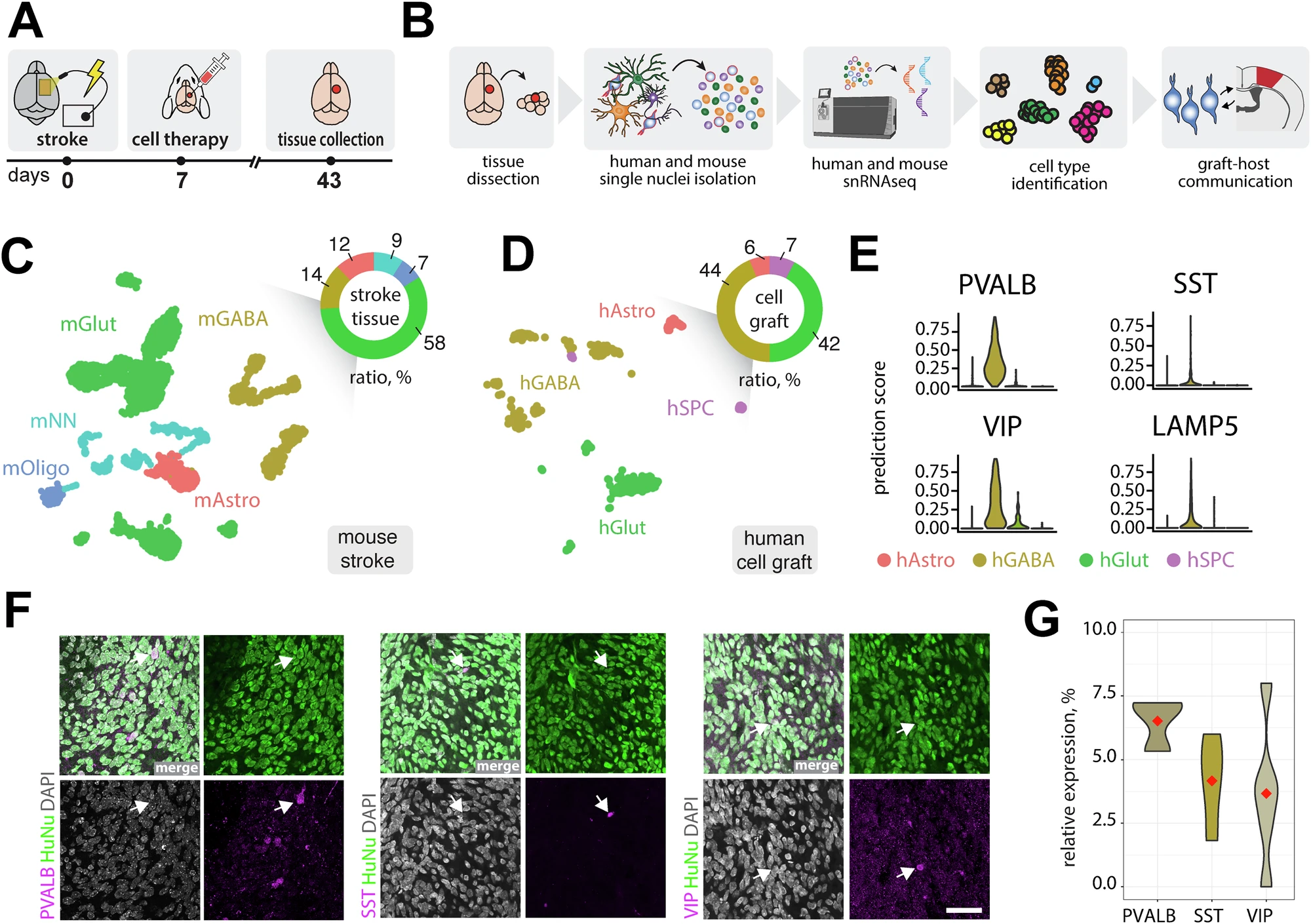
Figure from Neural xenografts contribute to long-term recovery in stroke via molecular graft-host crosstalk
Nature Communications · 2025
Neural xenografts contribute to long-term recovery in stroke via molecular graft-host crosstalk
Weber RZ, Achón Buil B, Rentsch NH, …, Rust R
Bulk RNAseqStroke ResearchNeural Transplantation
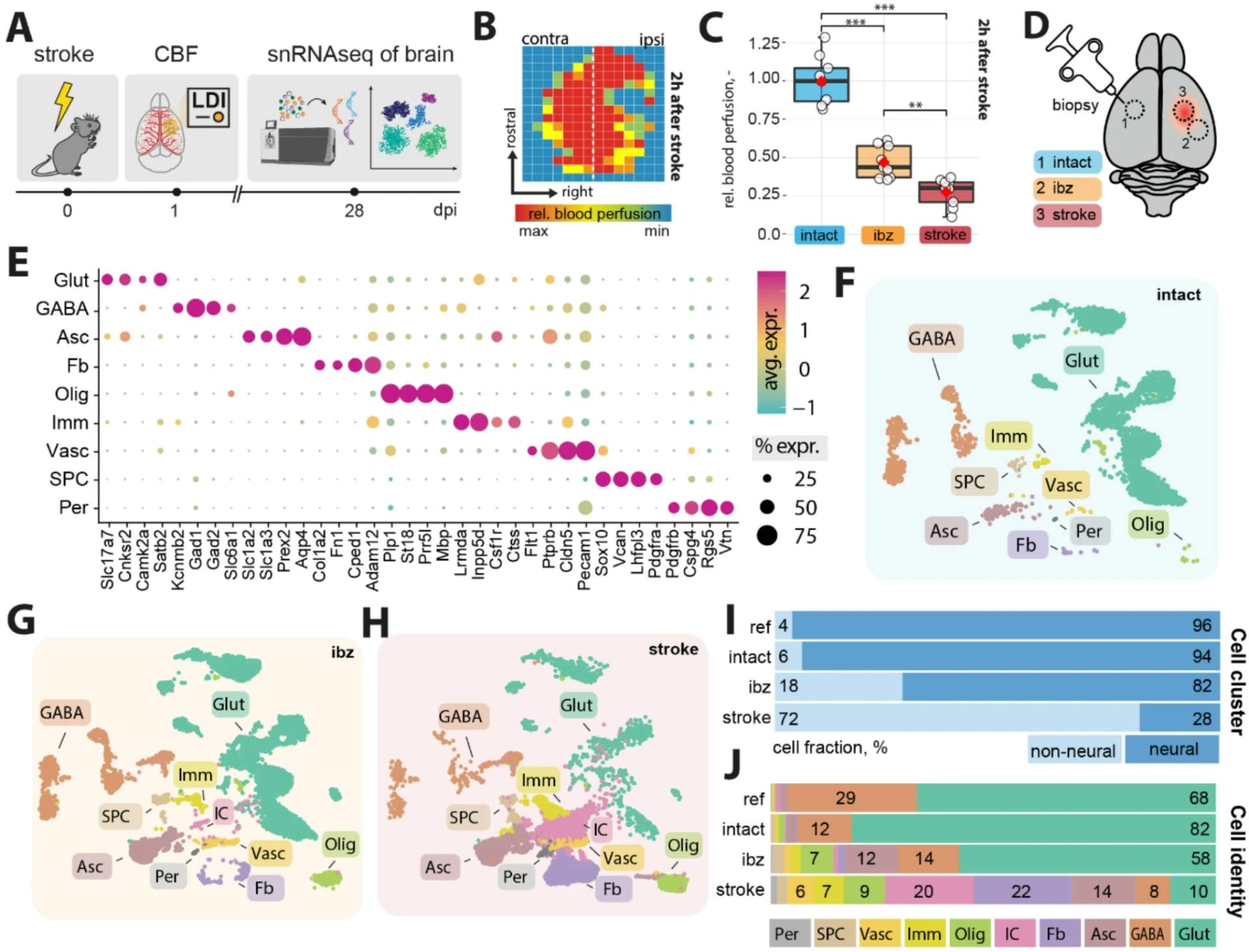
Figure from A molecular brain atlas reveals cellular shifts during the repair phase of stroke
Journal of Neuroinflammation · 2025
A molecular brain atlas reveals cellular shifts during the repair phase of stroke
Weber RZ, Achón Buil B, Rentsch NH, …, Rust R
scRNAseqStroke RecoverySpatial Transcriptomics
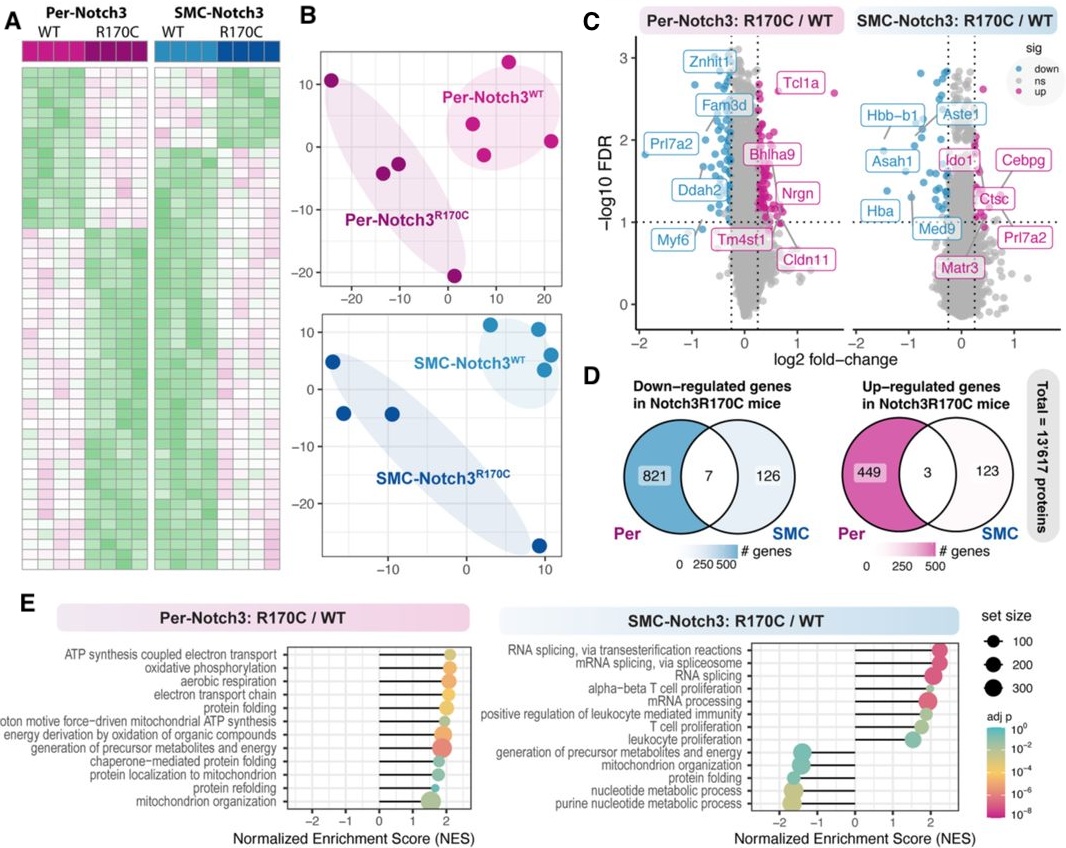
Figure from Multiomic profiling reveals pericyte and smooth muscle cell contributions to CADASIL pathology
bioRxiv (Preprint) · 2025
Multiomic profiling reveals pericyte and smooth muscle cell contributions to CADASIL pathology
Huang Y, Clementel V, Zhang M, …, Rust R
Multi-omicsCADASILVascular Biology
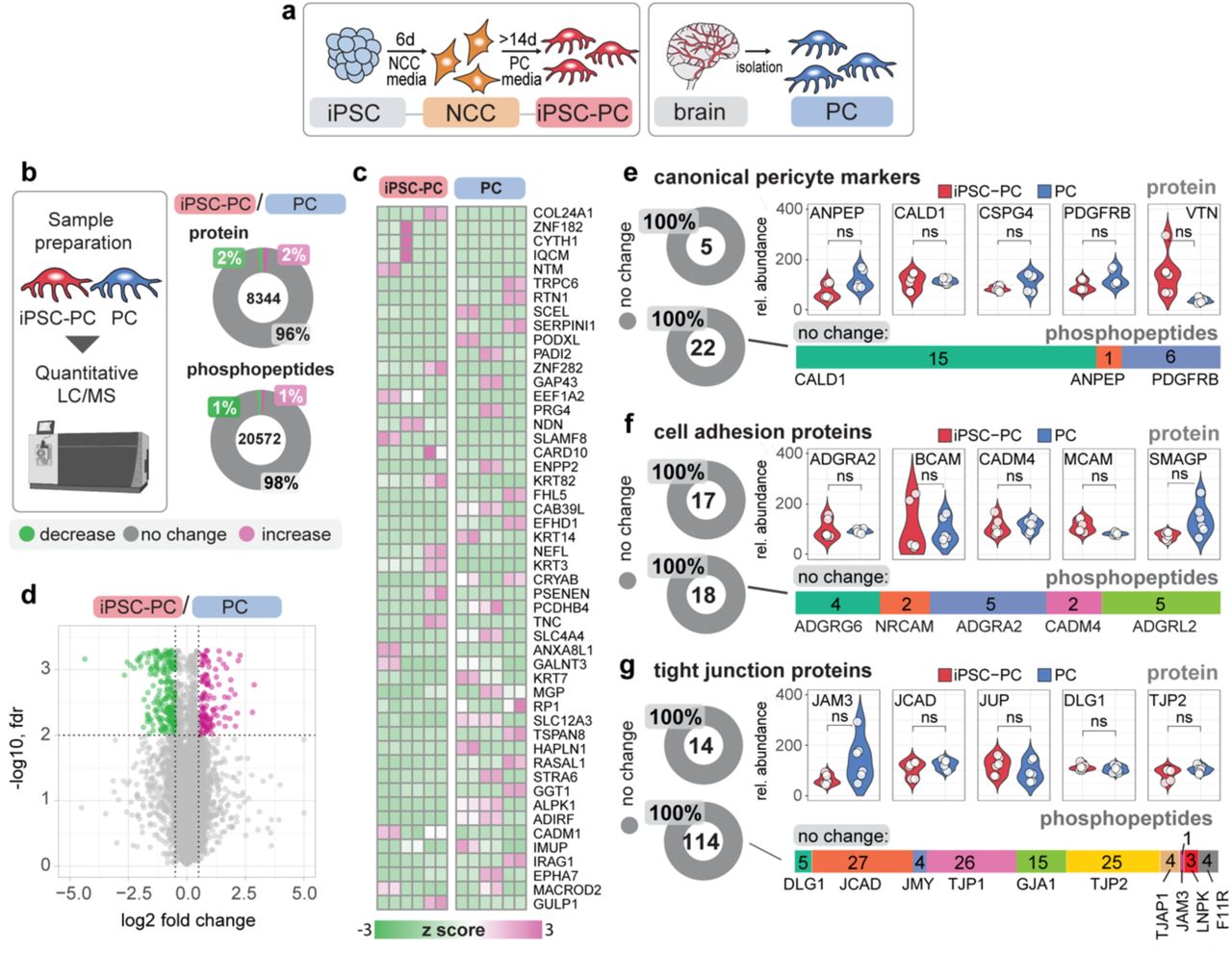
Figure from Molecular signature and functional properties of human pluripotent stem cell-derived brain pericytes
bioRxiv (Preprint) · 2025
Molecular signature and functional properties of human pluripotent stem cell-derived brain pericytes
Rust R, Sagare AP, Kisler K, …, Coba MP
Stem CellsBrain PericytesMolecular Profiling
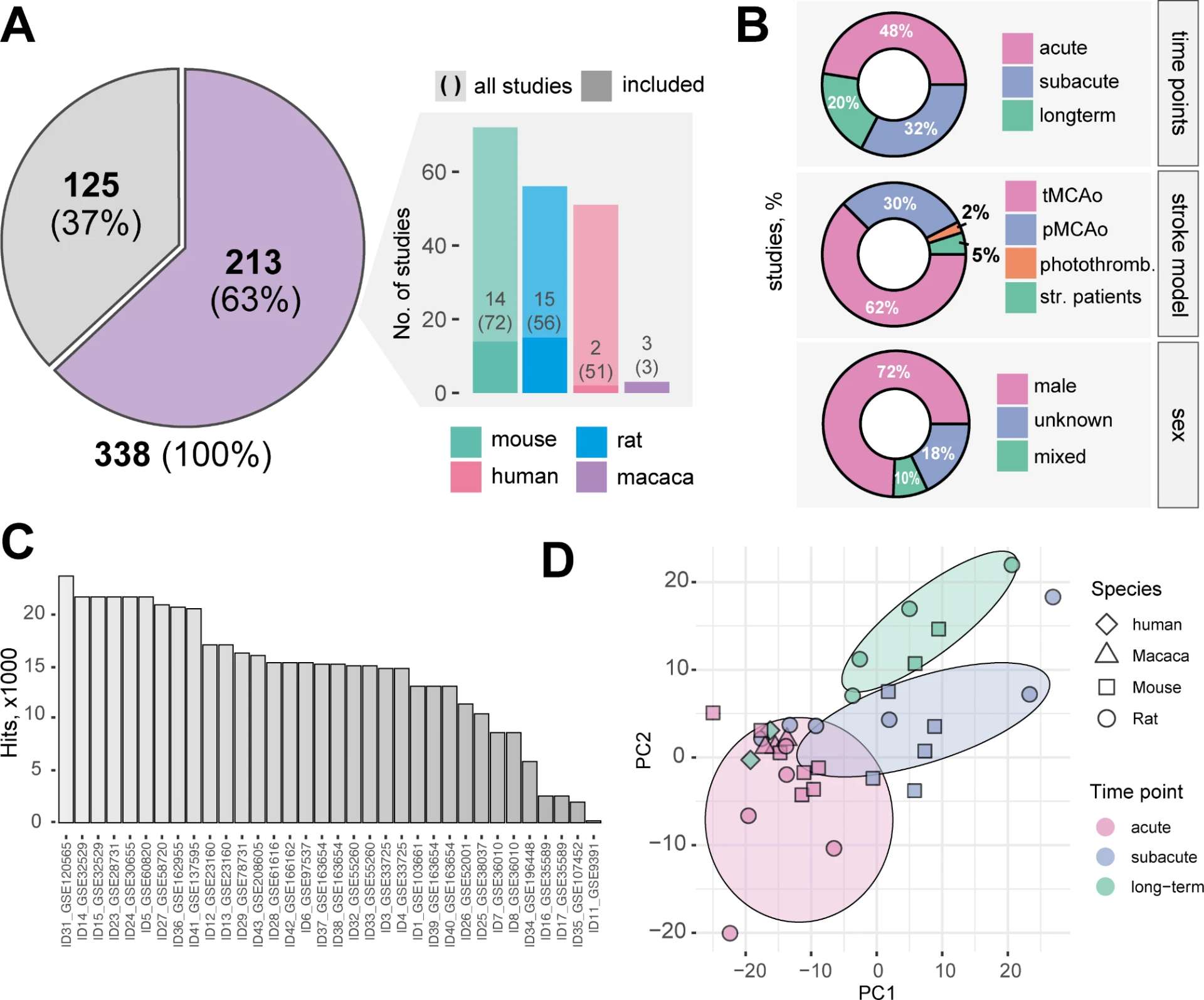
Figure from Ischemic stroke-related gene expression profiles across species: a meta-analysis
Journal of Inflammation · 2023
Ischemic stroke-related gene expression profiles across species: a meta-analysis
Rust R
Meta-analysisComparative GenomicsStroke
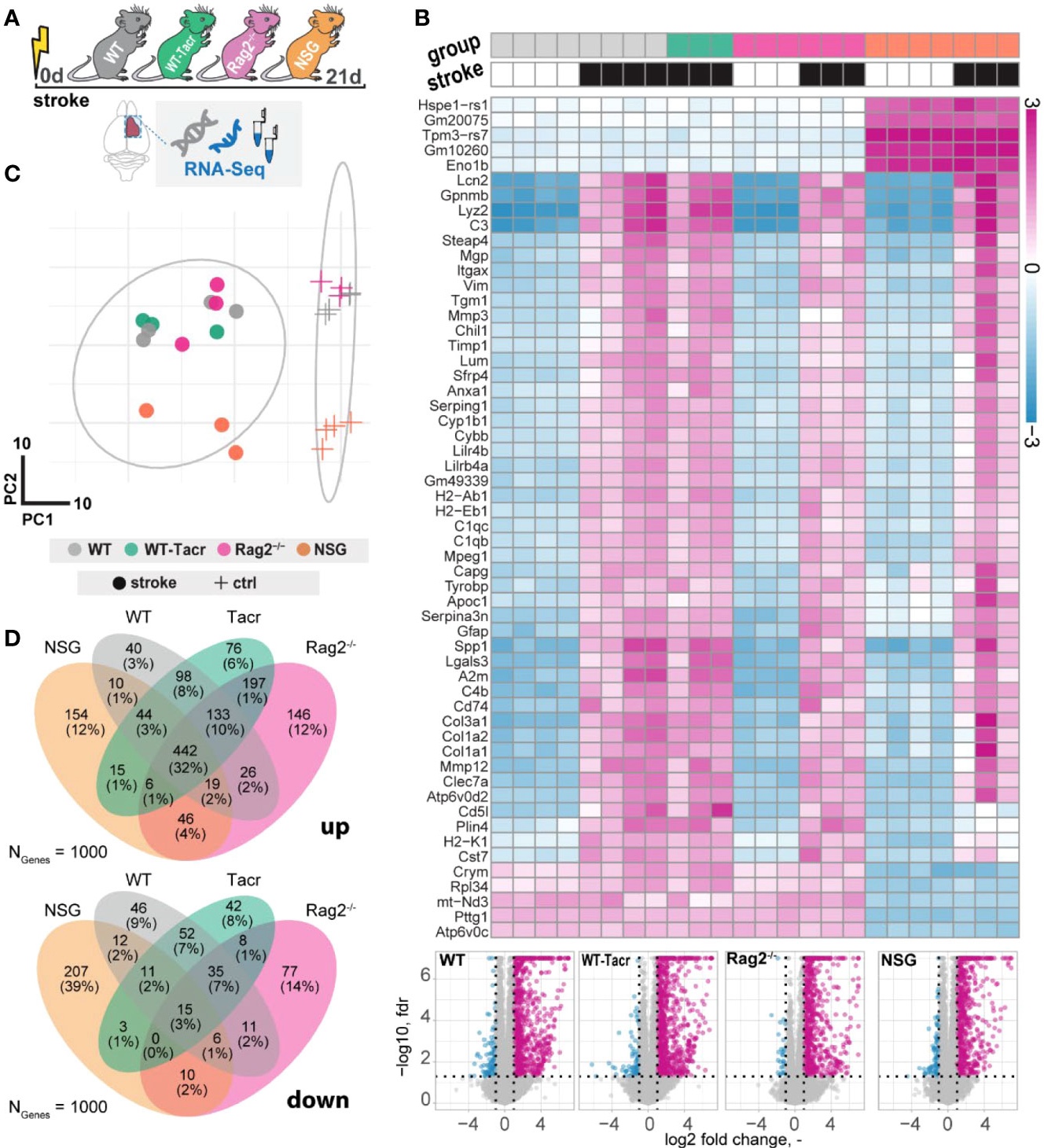
Figure from Molecular and anatomical roadmap of stroke pathology in immunodeficient mice
Frontiers in Immunology · 2022
Molecular and anatomical roadmap of stroke pathology in immunodeficient mice
Weber RZ, Mulders G, Perron P, …, Rust R
Bulk RNAseqStroke PathologyMouse Models
2026
Adv Sci (Weinh) · 2026
"Time Is Brain" — for Cell Therapies
Yin H, Brian D, Weber RZ, Lyden PD, Rust R
View
2025
Bioengineering (Basel) · 2025
A Bivalent Protease-Activated Receptor-Derived Peptide Mimics Neuronal Anti-Apoptotic Activity of Activated Protein C
Sagare A, Kim Y, Kisler K, Rust R, et al.
View
Front Cell Neurosci · 2025
APOE genotype-dependent differences in human astrocytic energy metabolism
Budny V, Bodenmann C, Zürcher KJ, …, Rust R, et al.
View
Nat Commun · 2025
Neural xenografts contribute to long-term recovery in stroke via molecular graft-host crosstalk
Weber RZ, Achón Buil B, Rentsch NH, …, Rust R
View
Stem Cells · 2025
Brain pericytes derived from human pluripotent stem cells retain vascular and phagocytic functions under hypoxia
Zhang M, Kim Y, Bosworth A, …, Sagare AP, Rust R
View
Stem Cell Reports · 2025
How neural stem cell therapy promotes brain repair after stroke
Weber RZ, Rust R, Tackenberg C
View
Adv Sci (Weinh) · 2025
Delayed Transplantation of Neural Stem Cells Improves Initial Graft Survival after Stroke
Weber RZ, Rentsch NH, Achón Buil B, …, Rust R
View
bioRxiv (Preprint) · 2025
Molecular signature and functional properties of human pluripotent stem cell-derived brain pericytes
Rust R, Sagare AP, Kisler K, Kim Y, Zhang M, et al.
View
J Neuroinflammation · 2025
A molecular brain atlas reveals cellular shifts during the repair phase of stroke
Weber RZ, Achón Buil B, Rentsch NH, …, Rust R
View
Expert Opin Drug Deliv · 2025
The blood-brain barrier as a treatment target for neurodegenerative disorders
Rust R, Sagare AP, Zhang M, Zlokovic BV, Kisler K
View
Blood Vessel Thromb Hemost · 2025
In vivo neuroprotection in ischemic stroke by activated protein C requires β-arrestin 2
Xiang B, Wang Y, Rust R, Kisler K, et al.
View
Brain · 2025
The blood-brain barrier: a help and a hindrance
Rust R, Yin H, Achón Buil B, Sagare AP, Kisler K
View
Trends Mol Med · 2025
Beyond pluripotency: Yamanaka factors drive brain growth and regeneration
Choi S, Zhang M, Rust R
View
2024
Trends Mol Med · 2024
Science around the world
Burton JP, Kofoed RH, Rust R
View
J Cereb Blood Flow Metab · 2024
Nogo-A is secreted in extracellular vesicles, occurs in blood and can influence vascular permeability
Rust R, Holm MM, Egger M, et al.
View
Brain · 2024
Brain repair mechanisms after cell therapy for stroke
Rust R, Nih LR, Liberale L, Yin H, et al.
View
Cereb Circ Cogn Behav · 2024
Fluid biomarkers of the neurovascular unit in cerebrovascular disease and vascular cognitive disorders
Hansra GK, Jayasena T, Hosoki S, …, Rust R, Sagare A, Zlokovic B
View
Data Brief · 2024
Dataset on stroke infarct volume in rodents
Weber RZ, Bernardoni D, Rentsch NH, …, Rust R
View
Trends Mol Med · 2024
Beneath the radar: immune-evasive cell sources for stroke therapy
Achón Buil B, Rentsch NH, Weber RZ, …, Rust R
View
Neuroimage · 2024
A toolkit for stroke infarct volume estimation in rodents
Weber RZ, Bernardoni D, Rentsch NH, …, Rust R
View
2023
J Neurochem · 2023
Leakage beyond the primary lesion: temporal analysis of cerebrovascular dysregulation at sites of hippocampal secondary neurodegeneration following cortical stroke
Hood RJ, Sanchez-Bezanilla S, Beard DJ, Rust R, et al.
View
Nat Rev Neurol · 2023
Molecular biomarkers for vascular cognitive impairment and dementia
Hosoki S, Hansra GK, Jayasena T, …, Rust R, Sagare A
View
J Inflamm (Lond) · 2023
Ischemic stroke-related gene expression profiles across species: a meta-analysis
Rust R
View
Cell Metab · 2023
Selenium mediates exercise-induced adult neurogenesis and reverses learning deficits induced by hippocampal injury and aging
Leiter O, Zhuo Z, Rust R, et al.
View
Eur J Clin Invest · 2023
Rebooting disruptive science: exploring the challenges and potential solutions
Rust R
View
Angiogenesis · 2023
The vascular gene Apold1 is dispensable for normal development but controls angiogenesis under pathological conditions
Fan Z, Ardicoglu R, Batavia AA, Rust R, et al.
View
Brain · 2023
Editing a gateway for cell therapy across the blood-brain barrier
Achón Buil B, Tackenberg C, Rust R
View
J Cereb Blood Flow Metab · 2023
Preserving stroke penumbra by targeting lipid signalling

Achón Buil B, Rust R
View
2022
Front Immunol · 2022
Molecular and anatomical roadmap of stroke pathology in immunodeficient mice
Weber RZ, Mulders G, Perron P, Tackenberg C, Rust R
View
BMC Biol · 2022
Deep learning-based behavioral profiling of rodent stroke recovery

Weber RZ, Mulders G, Kaiser J, Tackenberg C, Rust R

View
J Transl Med · 2022
Xeno-free induced pluripotent stem cell-derived neural progenitor cells for in vivo applications
Rust R, Weber RZ, Generali M, et al.
View
Neuroscientist · 2022
Stem Cell Therapy for Repair of the Injured Brain: Five Principles
Rust R, Tackenberg C
View
Brain · 2022
Stimulation of the cuneiform nucleus enables training and boosts recovery after spinal cord injury
Hofer AS, Scheuber MI, Sartori AM, …, Rust R, et al.
View
Stem Cell Reports · 2022
APOE2, E3, and E4 differentially modulate cellular homeostasis, cholesterol metabolism, and inflammatory response in isogenic iPSC-derived astrocytes
de Leeuw SM, Kirschner AWT, Lindner K, Rust R, et al.
View
J Vis Exp · 2022
Intracerebral Transplantation and In Vivo Bioluminescence Tracking of Human Neural Progenitor Cells
Weber RZ, Bodenmann C, Uhr D, …, Rust R, Tackenberg C
View
Cell Metab · 2022
Selenium mediates exercise-induced adult neurogenesis and reverses learning deficits induced by hippocampal injury and aging
Leiter O, Zhuo Z, Rust R, et al.
View
Exp Neurol · 2022
Slow development of bladder malfunction parallels spinal cord fiber sprouting and interneurons' loss after spinal cord transection
Sartori AM, Hofer AS, Scheuber MI, Rust R, et al.
View
Trends Neurosci · 2022
'Scary' pericytes: the fibrotic scar in brain and spinal cord lesions
Rentsch NH, Rust R
View
Methods Mol Biol · 2022
Isolation and Culture of Adult Hippocampal Precursor Cells as Free-Floating Neurospheres
Rust R, Walker TL
View
2021
Brain Pathol · 2021
Astrocytes for brain repair: more than just a neuron's sidekick
Weber RZ, Perron P, Rust R
View
Eur J Clin Invest · 2021
iPS-derived pericytes for neurovascular regeneration
Kirabali T, Rust R
View
J Cereb Blood Flow Metab · 2021
Towards blood biomarkers for stroke patients
Rust R
View
2020
Front Physiol · 2020
Characterization of the blood-brain barrier disruption in the photothrombotic stroke model
Weber RZ, Grönnert L, Mulders G, …, Rust R
View
Brain Pathol · 2020
Distinct changes in all major components of the neurovascular unit across different neuropathological stages of Alzheimer's disease
Kirabali T, Rust R, Rigotti S, et al.
View
Front Neurosci · 2020
A practical guide to the automated analysis of vascular growth, maturation and injury in the brain
Rust R, Kirabali T, Grönnert L, et al.
View
J Cereb Blood Flow Metab · 2020
Insights into the dual role of angiogenesis following stroke
Rust R
View
2019
Sci Rep · 2019
Anti-Nogo-A antibodies prevent vascular leakage and act as pro-angiogenic factors following stroke
Rust R, Weber RZ, Grönnert L, et al.
View
Trends Neurosci · 2019
Refueling the ischemic CNS: guidance molecules for vascular repair
Rust R, Grönnert L, Weber RZ, et al.
View
Proc Natl Acad Sci USA · 2019
Nogo-A targeted therapy promotes vascular repair and functional recovery following stroke
Rust R, Grönnert L, Gantner C, et al.
View
Sci Rep · 2019
A revised view on growth and remodeling in the retinal vasculature
Rust R, Grönnert L, Dogançay B, et al.
View
FASEB J · 2019
Pro- and antiangiogenic therapies: current status and clinical implications
Rust R, Gantner C, Schwab ME
View
2018
Front Immunol · 2018
T lymphocytes contribute to the control of baseline neural precursor cell proliferation
Walker TL, Schallenberg S, Rund N, …, Rust R, et al.
View
Trends Neurosci · 2018
Inflammation after stroke: a local rather than systemic response?
Rust R, Grönnert L, Schwab ME
View
PLoS One · 2018
Loss of Nogo-A, encoded by the schizophrenia risk gene Rtn4, reduces mGlu3 expression and causes hyperexcitability in hippocampal CA3 circuits
Berry S, Weinmann O, Fritz AK, Rust R, et al.
View
Trends Mol Med · 2018
Stroke promotes systemic endothelial inflammation and atherosclerosis
Rust R, Hofer AS, Schwab ME
View
2017
Sci Rep · 2017
Mast cells increase adult neural precursor proliferation and differentiation
Wasielewska JM, Grönnert L, Rund N, …, Rust R, et al.
View
J Neurosci · 2017
Insights into the dual role of inflammation after spinal cord injury
Rust R, Kaiser J
View

The Research Team

Dr. Ruslan Rust
University of Southern California
Principal Investigator
Ruslan Rust

Ruslan is an Assistant Professor of Neuroscience at the University of Southern California (USC). He previously served as principal investigator at the Institute for Regenerative Medicine at the University of Zurich. He completed his PhD at ETH Zurich in 2019, followed by postdoctoral training at the University of Zurich. His career has focused on developing regenerative therapies following experimental stroke in mice, combining preclinical research with molecular and genetic tools to advance cell therapies toward the clinical stage. In his free time, Ruslan enjoys outdoor activities, travel, sports, and playing guitar.

USC Faculty Profile Publications

Current and Previous Lab Members

University of Southern California (USC) University of Zurich (UZH)
Mingzi Zhang
USC
Research Associate
Mingzi Zhang

Works on cell-based therapy for stroke and Alzheimer's disease, investigating how the microbiome influences neuroinflammation in the brain.

Yazi Huang
USC
Research Associate
Yazi Huang

Investigates CADASIL cell-specific changes and their effects on disease pathology in the brain vasculature.

Gavin Spillard
USC
Research Technician
Gavin Spillard

Studies the molecular effects of Amyloid and Tau on iPSC-pericyte function to better understand vascular dysfunction in neurodegeneration.

Rebecca Weber
USC
UZH
Postdoc
Rebecca Weber

Develops cell-based therapy approaches for stroke recovery, working across collaborating sites at USC and UZH.

Beatriz Achón Buil
UZH
PhD Student
Bea Achón Buil

Conducts a CRISPR screen for brain shuttle development to improve targeted delivery of therapeutics across the blood-brain barrier.

Nora Rentsch
UZH
PhD Student
Nora Rentsch

Investigates hydrogel-assisted cell therapy and hypoxia-preconditioned cell therapy to enhance neural repair after stroke.

Stefanie Schuknecht
UZH
Stefanie Schuknecht

Works on engineering universal cell lines through HLA disruption strategies to reduce immunogenicity for off-the-shelf cell therapies.

Chantal Bodenmann
UZH
Research Associate
Chantal Bodenmann

Develops single-chain antibodies expressed on the cell surface to enable targeted and enhanced therapeutic cell interactions.

Geertje Mulders
UZH
MSc Student
Geertje Mulders

Studies immunodeficient mouse models to evaluate the efficacy of cell therapies following stroke.

Lisa Groennert
UZH
MSc Student
Lisa Groennert

Focuses on therapeutically improving vascular repair after stroke to restore blood flow and support tissue recovery.

Siri Peter
UZH
Siri Peter

Works on the generation and characterization of iPSC-derived neural stem cells (iPSC-NSC) for regenerative applications.

Let's Work Together

We love to collaborate and connect with interesting labs and researchers across the globe. Whether you have a shared scientific question, a complementary skill set, or simply an idea worth exploring — just shoot us a message and let's connect. We're always open to setting up a call and seeing where things go. rrust@usc.edu

Get in Touch

Collaboration Partners

We are grateful to work with outstanding scientists across the globe.

Marcelo Coba
Keck School of Medicine, USC
Los Angeles, USA
Maria Deli
Biological Research Centre, HUN-REN
Szeged, Hungary
Pardes Habib
Dept. of Neurosurgery, Stanford University
Stanford, USA
Bingren Hu
University of California San Diego
San Diego, USA
Gerd Kempermann
CRTD, TU Dresden
Dresden, Germany
Charles Liu
Dept. of Neurosurgery, Keck School of Medicine, USC
Los Angeles, USA
Patrick Lyden
Keck School of Medicine, USC
Los Angeles, USA
Lina Nih
University of Nevada Las Vegas
Las Vegas, USA
Roger Nitsch
University of Zurich
Zurich, Switzerland
Lin Kooi Ong
University of Southern Queensland
Queensland, Australia
Janos Peti-Peterdi
Keck School of Medicine, USC
Los Angeles, USA
Daniel Razansky
ETH Zurich / University of Zurich
Zurich, Switzerland
Christian Tackenberg
University of Zurich
Zurich, Switzerland
Tara Walker
University of Queensland
Brisbane, Australia
Carsten Werner
Leibniz Institute of Polymer Research / TU Dresden
Dresden, Germany
Affiliated Institutions

Contact

We always enjoy connecting with interesting researchers and labs. Whether you're interested in collaboration, have a shared scientific question, or want to explore working together — reach out and let's talk.

Contact Information

Address
The Zilkha Neurogenetic Institute
Department of Physiology and Neuroscience
Keck School of Medicine of USC
1501 San Pablo Street, Room 341
Los Angeles, CA 90089-2821
Collaborate or Work With Us

We actively participate in and welcome collaborations with labs sharing complementary interests. Prospective lab members (PhD, postdoc) are also welcome to reach out.

Send a Message

Acknowledgements

Funding & Support

We gratefully acknowledge support from federal agencies and private foundations.